ActiveMaleRoots
Educational content only. No promises of outcomes.
Roots of Nutrition
Natural food sources have long served as the foundation of human nutrition. Understanding how basic nutrients function in the body, where they originate from everyday products, and their role in fundamental biological processes forms the basis of nutritional awareness. This resource explores the natural origins of key nutrients found in traditional foods.
Proper nutrition relies on a diverse range of foods that provide essential nutrients. Each nutrient plays a specific role in basic bodily functions. Knowledge about these sources helps individuals make informed choices about their everyday eating patterns without making promises about outcomes or replacements for professional guidance.
Fundamental Nutrients
Basic nutrients can be categorized into several key groups, each with distinct roles in the body:
- Proteins: Support tissue structure and enzymatic functions
- Fats: Enable vitamin absorption and provide cellular membrane support
- Carbohydrates: Serve as primary energy sources
- Minerals (Iron, Calcium, Phosphorus, Zinc, Magnesium): Support bone health, oxygen transport, and enzyme function
- Vitamins (A, B, C, D, E, K): Regulate metabolic processes and immune function
- Water and Fiber: Support digestion and cellular hydration
Natural Product Sources
Examples of foods naturally rich in key nutrients

Herring
Key Nutrients: Omega-3 fatty acids, Iodine, Selenium, Vitamin D
Herring is a naturally oily fish containing significant amounts of omega-3 fatty acids. These compounds play roles in basic cellular functions. Iodine content supports thyroid function in the body.

Pine Nuts
Key Nutrients: Zinc, Magnesium, Phosphorus, Iron, Copper
Pine nuts contain notable levels of zinc and magnesium. These minerals support various enzymatic reactions in the body. Phosphorus content contributes to bone mineral composition.
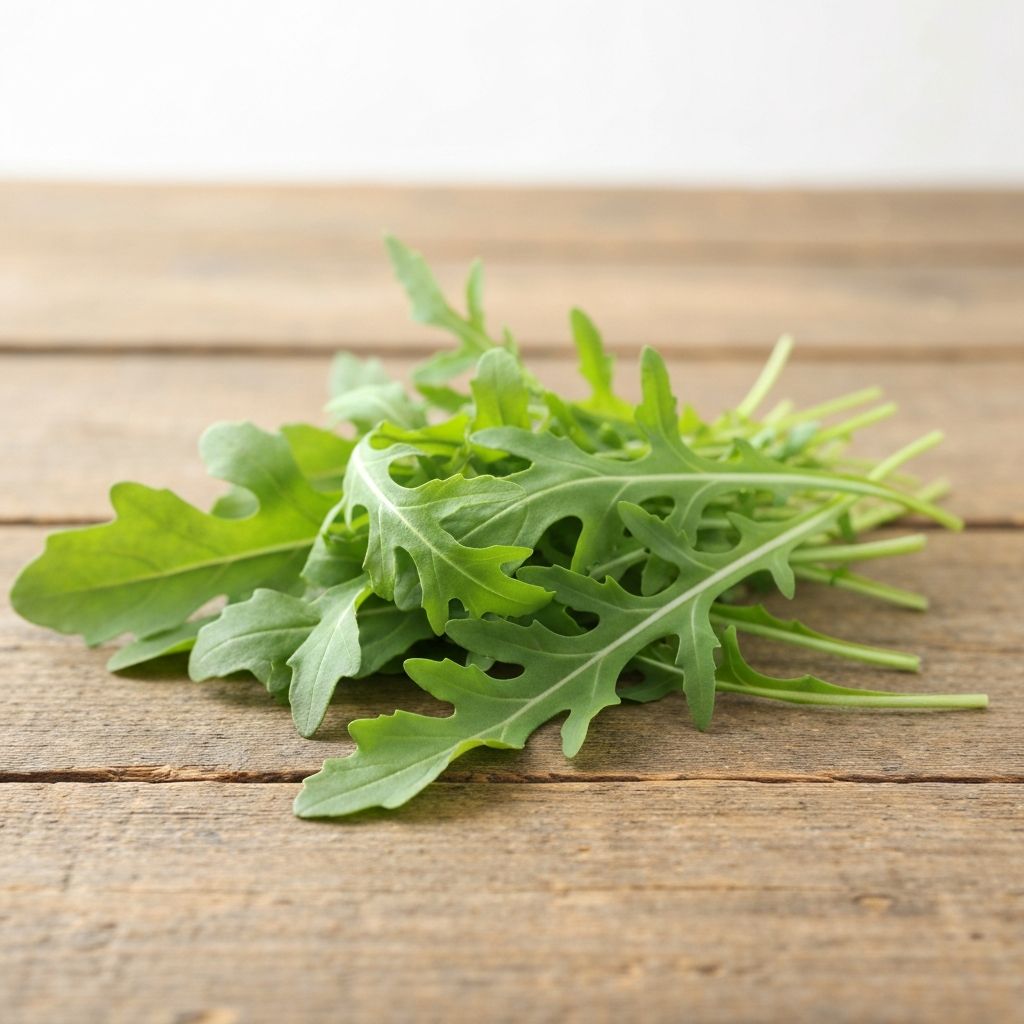
Arugula
Key Nutrients: Vitamin K, Folate, Calcium, Iron
Arugula is a leafy green providing substantial vitamin K content. Folate naturally occurs in leafy greens and supports basic cellular processes. These vegetables also contain readily available forms of calcium and iron.
Iron-Rich Natural Foods
Iron exists in food in two primary forms: heme iron (found in animal products) and non-heme iron (found in plant sources). Heme iron is more readily absorbed by the body, while non-heme iron absorption can be influenced by other dietary components.
- Herring and Fish: Provide heme iron along with vitamin D and selenium
- Eggs: Contain moderate iron amounts along with complete proteins
- Lentils: Offer significant non-heme iron content naturally
- Leafy Greens (Arugula, Kale): Contain non-heme iron, though absorption varies
- Nuts and Seeds: Provide iron among other mineral nutrients
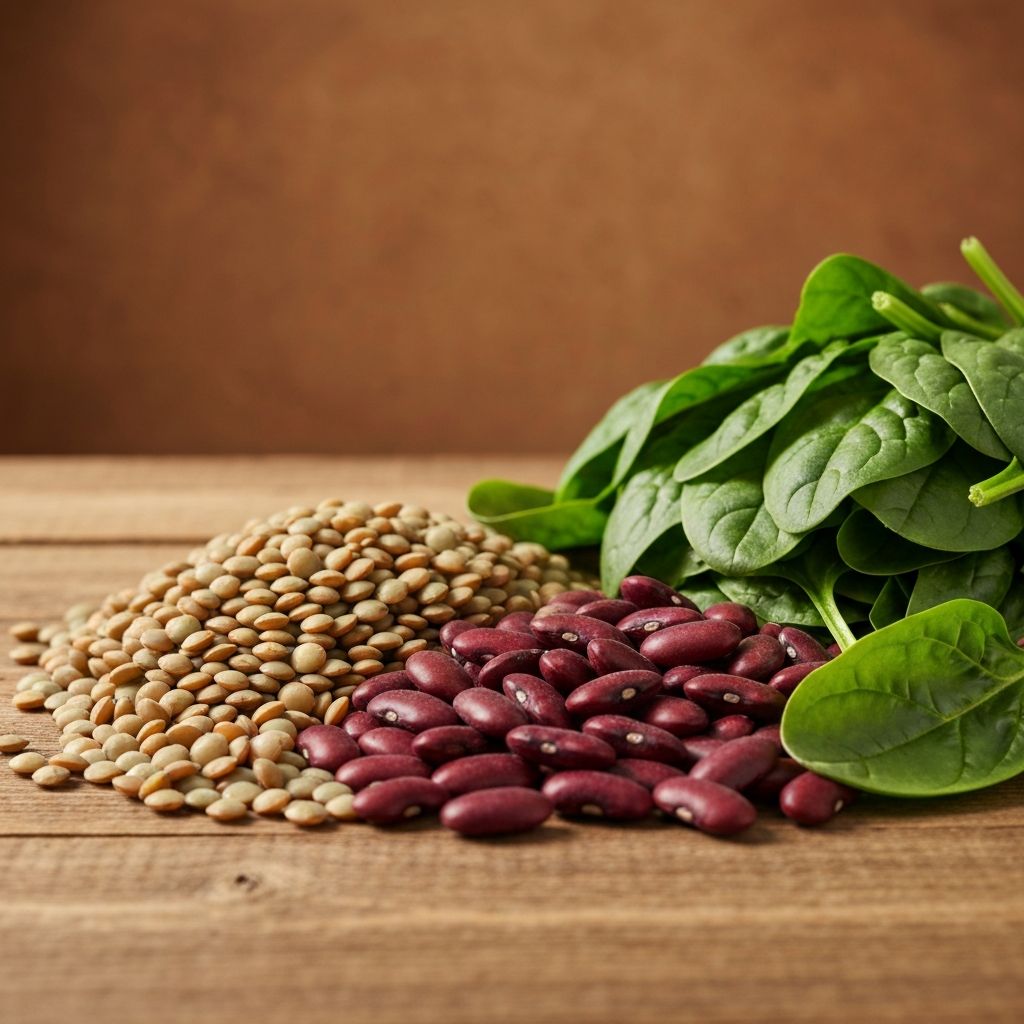
Iron's primary role in the body involves oxygen transport via hemoglobin. Adequate iron intake supports basic physical functions. Individual absorption varies based on overall diet composition and personal factors.
Calcium in Everyday Diet
Calcium functions primarily in bone structure and mineral density. Traditional diets have long included natural calcium sources. Modern nutritional awareness recognizes diverse food sources beyond single categories.
Primary Natural Sources:
- Dairy Products (Hard Cheese, Fermented Cheese): Natural calcium concentration
- Eggs: Moderate calcium content in the shell and nutrient profile
- Leafy Greens: Variable bioavailable calcium depending on species
- Fish with Soft Bones (Herring, Sardines): Natural calcium from bone composition
- Nuts and Seeds (Sesame Seeds, Almonds): Provide dietary calcium

Calcium absorption depends on multiple factors including vitamin D presence, overall diet composition, and individual digestive function. Natural dietary diversity supports basic nutritional balance.
Phosphorus Sources
Phosphorus works alongside calcium in bone mineral structure. This mineral is widely distributed across natural foods and plays roles in ATP production and cellular energy processes.
Natural Phosphorus Sources:
- Fish and Seafood: High phosphorus concentration, especially oily varieties
- Eggs: Naturally rich in phosphorus across all components
- Nuts and Seeds: Pine nuts, sesame, pumpkin seeds provide significant amounts
- Whole Grains (Millet, Oats): Natural phosphorus in grain structures
- Legumes (Lentils, Beans): Plant-based phosphorus sources
Phosphorus bioavailability from natural foods generally supports basic mineral balance. The phosphorus-calcium ratio in diet may influence absorption patterns of both minerals.
B Vitamins Overview
B vitamins function as coenzymes supporting energy metabolism and nervous system function. These water-soluble vitamins cannot be stored by the body and must be consistently obtained from food sources.
B Vitamin Complex Sources:
- B1 (Thiamine): Found in whole grains, seeds, nuts, and eggs
- B2 (Riboflavin): Eggs, cheese, fish, and leafy greens provide natural sources
- B3 (Niacin): Fish, eggs, and whole grains contain niacin
- B5 (Pantothenic Acid): Eggs, mushrooms, and avocados provide this vitamin
- B6 (Pyridoxine): Chickpeas, lentils, and fish supply B6
- B7 (Biotin): Found in eggs, nuts, and fish
- B9 (Folate): Leafy greens, lentils, and legumes naturally contain folate
- B12 (Cobalamin): Animal sources including eggs, fish, and cheese provide B12


B vitamin deficiencies are relatively uncommon in populations with adequate food diversity. Natural food sources provide varying B vitamin profiles supporting metabolic processes.
Natural Fiber Sources
Dietary fiber, though not absorbed by the body, plays important roles in digestive function and overall gastrointestinal health. Natural fiber sources include both soluble and insoluble fiber types.
Soluble and Insoluble Fiber Sources:
- Whole Grains (Oats, Millet, Barley): Provide both soluble and insoluble fiber
- Legumes (Lentils, Beans): High in both fiber types and provide satiety
- Vegetables (Leeks, Radishes, Onions): Offer varying fiber profiles
- Berries (Raspberries): Particularly rich in fiber content
- Nuts and Seeds: Provide fiber along with fats and minerals
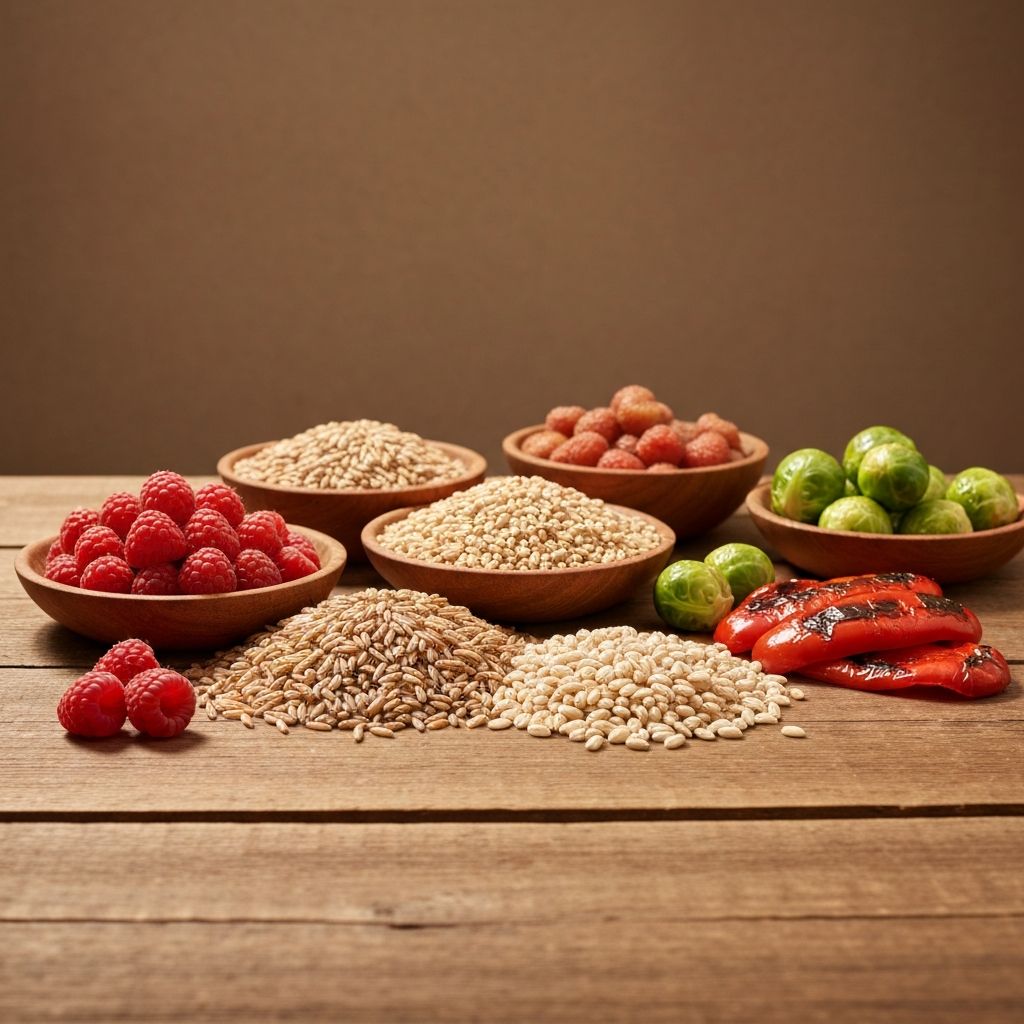
Fiber supports digestive processes and may influence nutrient absorption. Adequate water intake alongside fiber consumption supports basic digestive function.
Water-Soluble vs Fat-Soluble Vitamins
Vitamins are classified based on their solubility, which affects how the body absorbs, transports, and stores them. This fundamental distinction influences nutritional requirements and food pairing recommendations.
Water-Soluble Vitamins:
Water-soluble vitamins (B-complex and Vitamin C) dissolve in water and cannot be stored by the body. Excess amounts are generally excreted through urine. These vitamins must be consumed regularly from food sources.
- Include B vitamins (B1, B2, B3, B5, B6, B7, B9, B12)
- Vitamin C from citrus, berries, and leafy greens
- Found in water-based cooking but may leach into cooking water
Fat-Soluble Vitamins:
Fat-soluble vitamins (A, D, E, K) require dietary fat for absorption and can be stored in body fat tissues. The body can maintain stores of these vitamins over time.
- Vitamin A from fish liver oils, eggs, and leafy greens
- Vitamin D from fish, eggs, and sunlight exposure
- Vitamin E from nuts, seeds, and vegetable oils
- Vitamin K from leafy greens and fermented products
Understanding solubility helps explain why certain foods should be paired (dietary fat with fat-soluble vitamins) and why regular consumption of water-soluble vitamin sources is important.
Traditional Food Patterns
Traditional dietary patterns across cultures demonstrate long-established relationships between food, nutrition, and community health. These patterns developed over centuries and reflect available local resources and nutritional knowledge.
Common Elements in Traditional Diets:
- Regular Whole Grains: Foundation of many traditional cuisines (oats, barley, millet)
- Fermented Foods: Including cheeses, which enhance nutrient bioavailability
- Seasonal Vegetables: Ensuring diverse nutrient profiles across the year
- Fish and Seafood: Where available, providing omega-3s and iodine
- Nuts and Seeds: Stored foods providing year-round nutrition
- Legumes: Long-storage foods providing protein and fiber
Traditional patterns demonstrate that diverse, whole-food diets support basic nutritional needs across populations. Modern knowledge adds scientific context to practices that have persisted across time.
Nutrient Origin Notes
Understanding where nutrients originate provides context for food choices. Most nutrients ultimately derive from soil, water, and photosynthetic processes, with varying bioavailability depending on food source.
Primary Nutrient Origin Points:
- Soil Minerals: Plants absorb minerals from soil; animals consume plants or water containing these minerals
- Photosynthesis: Plants produce vitamins and carbohydrates through photosynthetic processes
- Microbial Production: Bacteria produce B12; fermentation creates bioavailable nutrient forms
- Sunlight Exposure: Animals and humans produce vitamin D through skin exposure
- Water: Mineral content varies by geographic location and water source
This tracing of nutrient origins underscores why food diversity from different geographic sources and food types supports comprehensive nutritional intake. Local food systems reflect local soil characteristics and available nutrients.
Basic Science Facts
Bioavailability: Not all nutrients in food are absorbed equally. Bioavailability depends on food preparation, cooking method, presence of other nutrients, and individual digestive factors. For example, heating may increase lycopene bioavailability in tomatoes.
Synergistic Nutrients: Some nutrients enhance absorption of others. Vitamin C improves iron absorption; dietary fat enables vitamin K absorption. These relationships influence optimal food combinations.
Individual Variation: Genetic factors, age, digestive health, medications, and health status influence nutrient absorption and requirements. Scientific data presents population averages; individual needs vary considerably.
Storage and Processing: Nutrient content varies with storage time and processing methods. Fresh foods generally contain higher levels of water-soluble vitamins; freezing preserves nutrients effectively. Heat and oxidation reduce some vitamin content.
Nutrient Density: Foods vary in nutrient concentration relative to caloric content. This concept helps explain why some foods support nutritional needs more efficiently than others across similar portion sizes.
Limitations and Context
Educational Purpose Only: This resource provides informational content about natural food sources and basic nutrient functions. The content is not personalized medical advice.
No Individual Recommendations: Optimal nutrient intake varies based on age, health status, activity level, medications, and other personal factors. This information describes general patterns and does not constitute individual recommendations.
Diverse Approaches: Numerous approaches to nutrition exist, and appropriate food choices depend on individual circumstances, cultural background, availability, and personal preference.
Professional Consultation: Individuals with specific health concerns, dietary restrictions, or questions about personal nutritional needs should consult qualified healthcare professionals. This resource is not a replacement for professional medical assessment.